
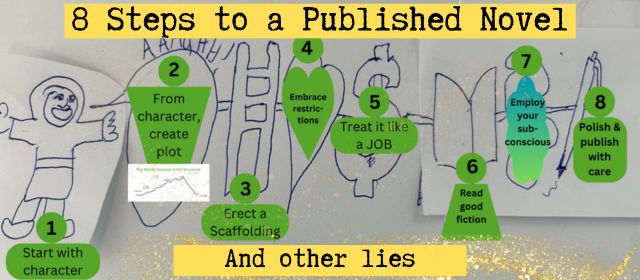
I just found the rough draft of a piece I wrote a piece for a local writer’s magazine . It proposed 8 steps for writing a novel, to wit:
#1: Start with Character
Plot might seem to be the most important thing in a novel, but consider a plot like “Joe goes to the store for a loaf of bread.” Boring, right? Well now. What if Joe is four years old? His tender years raise all kinds of questions and lend themselves to all kinds of trouble…which brings me to step two:
#2: From Character, Create Plot
Plot can come from having your characters try to get what they want or prevent what they fear, encountering problems that propel them toward an outcome. The character’s goals, vulnerabilities, and obstacles will tell you how the story can unfold and how it might end. Be hard on them! Make them confront their weaknesses…then escalate the shitshow! Conflict and tension make readers turn the page.
#3: Erect a Scaffolding
Give the novel an arbitrary scaffolding, like “it’ll be 23 chapters of 3,000 words each.” You might think, “I want it to be however long it needs to be!” And it will be. However, having a scaffolding can help you get started and keep going.
#4: Embrace Restrictions
As GK Chesterton said, “Art is limitation.” You can’t make a sculpture of everything, after all. You have to decide what it is. The same is true of novels–in fact, of all books. Embracing restrictions can help you make the hundreds of decisions you need to make. What kinds of restrictions? Deadlines, for example. Enter a contest. Set up a beta reader for six months from now. Or when you’re sitting down to write, use random word lists. Set a timer. Try 750words. Don’t make it the sole focus of your day if you’re not productive that way. And have a reader in mind, or a genre, or something tangible to guide your way.
#5: Treat it like a Job
Jobs get done by doing them; there is no other way. Schedule in your writing time and show up at the desk. Silent writing groups can be incredibly helpful for this.
#6: Read Good Fiction
Read prize-winning fiction and learn how well-told stories unfold. Absorb characterization and plot. Examine how tension is created, even in a quiet, internal story. What is making you turn the page? And why do you care? That’s the real reason people keep reading–they care about what will happen. Look at how other writers create meaning. As novelist Jess Walter said, “Read, read, read; steal, steal, steal!”
#7: Employ your Subconscious, aka Give it time.
Put your draft away for a week or a month—the higher the word count, the longer you should hide it. Half of revision is done in the drawer. When you take out the manuscript, you’ll see immediately what works and what doesn’t work. Be ruthless with whatever doesn’t work—just cut it. Any gaps thus created will give it life. When you re-read, be alert for emotional depth. If you don’t feel anything when you re-read your novel, neither will the reader.
#8: Polish and Publish With Care
Once the story’s shape and mood are in place, make the sentences strong. If your prose needs work, agents and editors won’t read past the first paragraph. Each imprint also has its own aesthetic and genre, so take the time to figure out who publishes work like yours.
If you’re wondering whether your novel’s ready, take this handy quiz. (According to lore, or more accurately, me, the odds are about 13 in 100 that you’ll be traditionally published. Not BAD!)
When you’re sure it’s ready, send it out. Then start the next one.

Don’t ask me.It’s not NOT true. Those 8 steps are about as true as an article on how to look after your dog, or how to get your kids to sleep. They’re only true for you if they’re actually true for you.That’s one of the fun (effing growth experience) aspects of writing a book. You get to find out what’s true for you.
Probably the truest thing I’ve found about how to write a book are these immortal words by a guy who wrote some very weird stuff and died at 40:
“Don’t bend; don’t water it down; don’t try to make it logical; don’t edit your own soul according to the fashion. Rather, follow your most intense obsessions mercilessly.”–Franz Kafka
Do you know what’s true for you about your writing?
Cheers,
Pat

- Have you ever tried to get better at something you’re just not into, like (ahem) bookkeeping? Yes, I took out library books on how to do it. I watched videos. I almost took a course. Apparently that is not a good use of my time. YAY!!! I know that from watching this short video, Invest in Your Strengths (youtube.com) So glad to stop trying!
- A funny thing happened on my draft article (above) on its way to the printer. It became “Getting Unstuck: 3 strategies for writing fiction,” (p. 18 of WordWorks). TBH, I think it’s more helpful than the 8 steps. But maybe not.
The cover for my 3-Day Novel has been revealed!
I like it, and I also think it’s perfect fodder for a…New Contest!
Here’s the cover of The Tenants.Can you guess what the sketch is meant to portray?
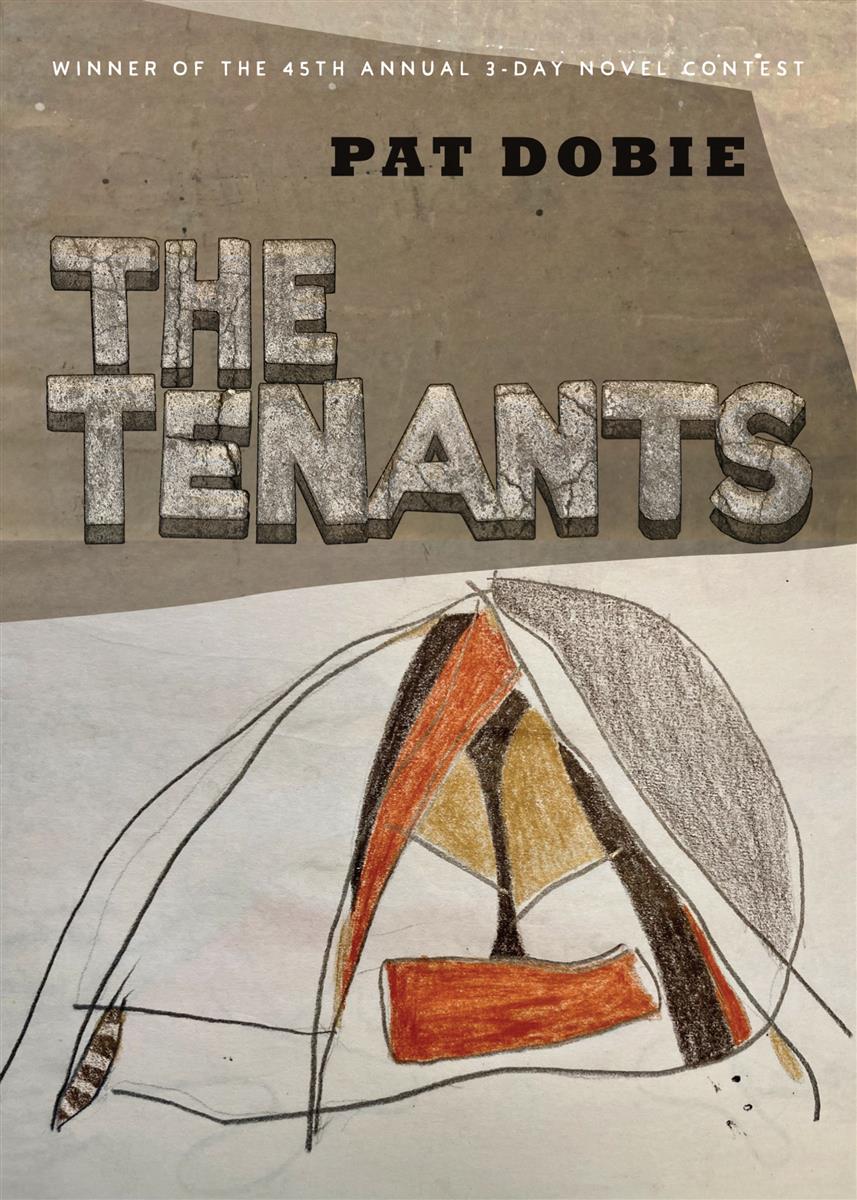
The first person to correctly guess will get a signed copy when the book comes out!
Contest closes March 31, 2024.
Book Bag
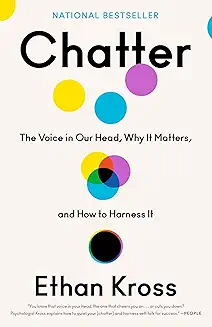
Chatter: The Voice in Our Head, Why It Matters, and How to Harness It
by Ethan Cross
Crown Publishing Group, 2022
I’ve been pondering the nature of my inner self…the one I talk with all day long, except when I’m focusing on something. This well-written and engaging book investigates of how we think and talk to ourselves. Illuminating and fun to read, with some practical strategies to use our minds as efficient servants rather than merciless masters. Eight thumbs up.